Category: Uncategorized

  • How to Choose a Forestry Mulching Pro (and What to Ask First)

    How to Choose a Forestry Mulching Pro (and What to Ask First)

    Land clearing is a big job with real equipment and real stakes — you want the right person on it. Whether you find someone yourself or get connected through us, here’s how to tell a solid pro from a risky one, and what to ask before anyone fires up a machine.

    What to look for

    • Licensed and insured — non-negotiable. Heavy equipment on your property means you want real coverage.
    • The right equipment for your job — a pro sizes the machine to your ground instead of forcing one tool to do everything.
    • A clear, on-site estimate — good pros walk the property and give you a real number, not a guess over the phone.
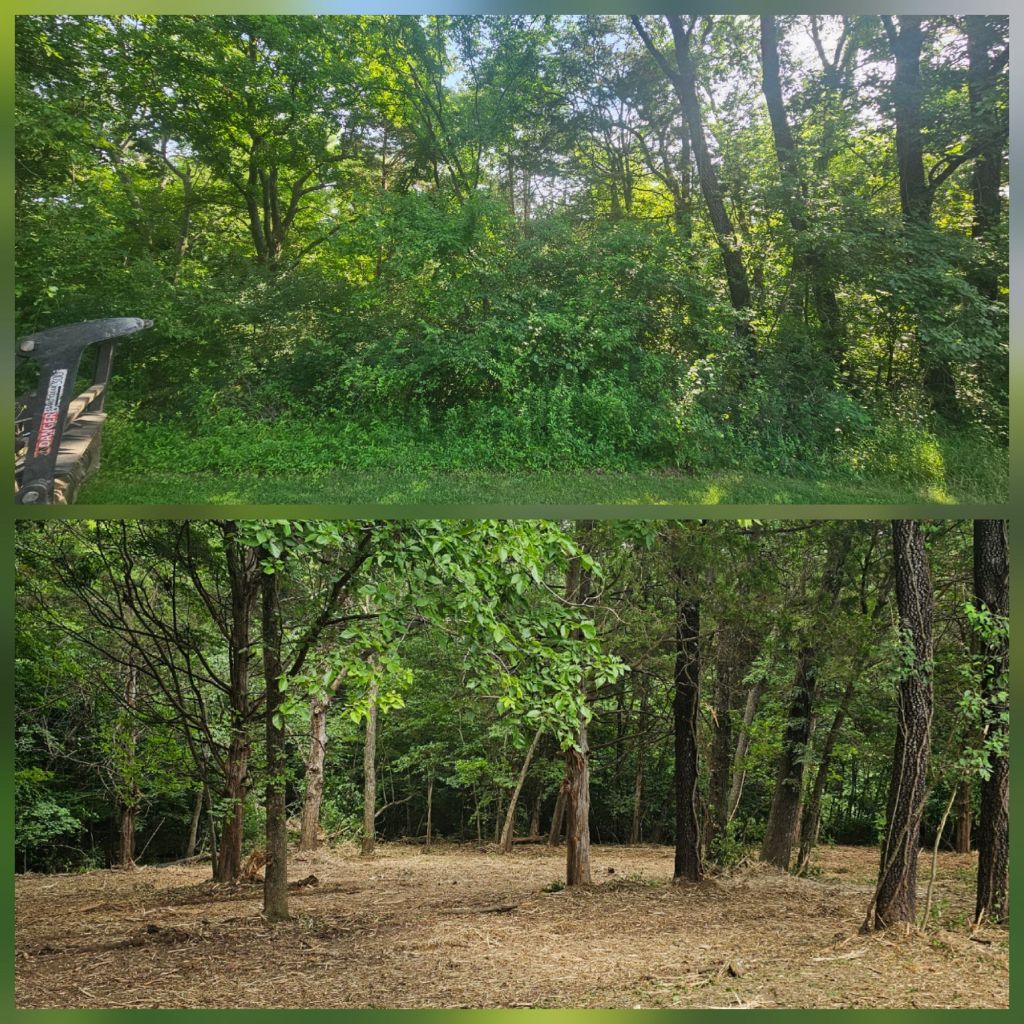
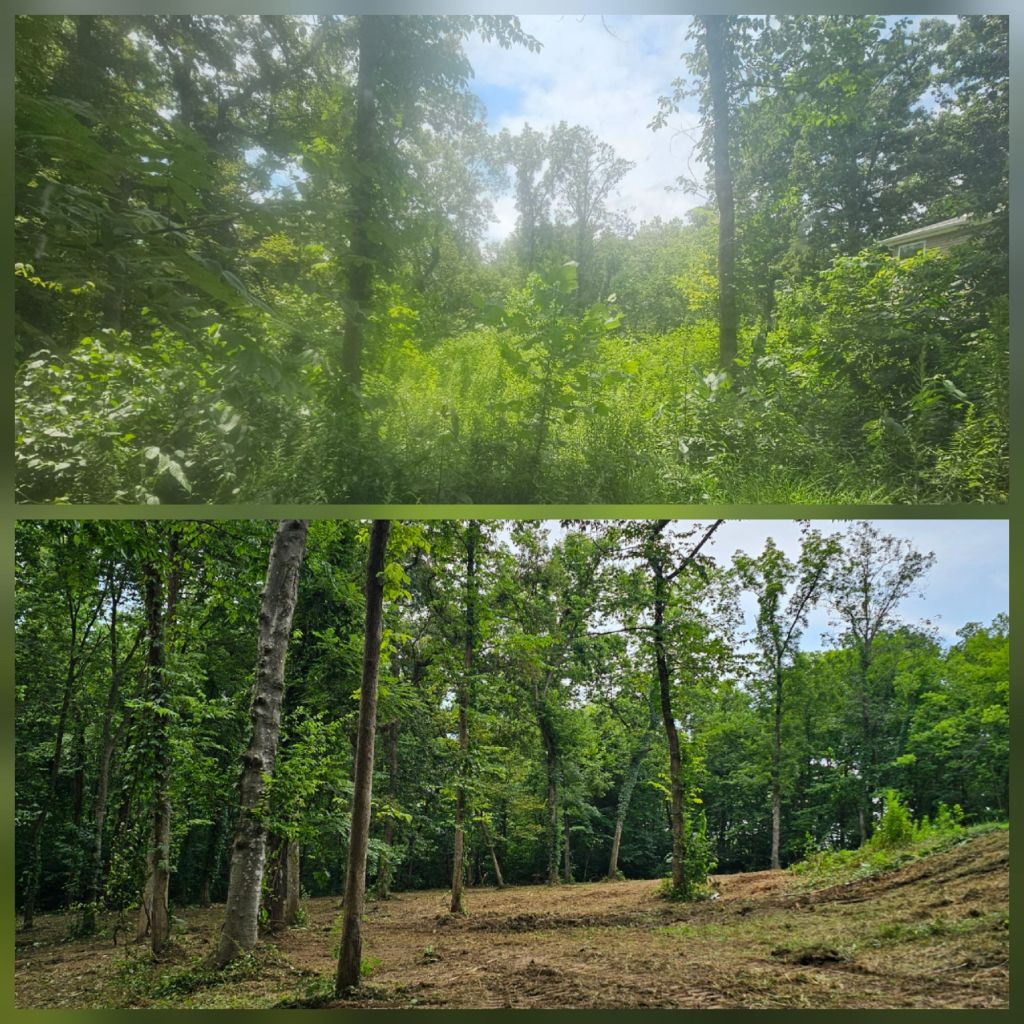
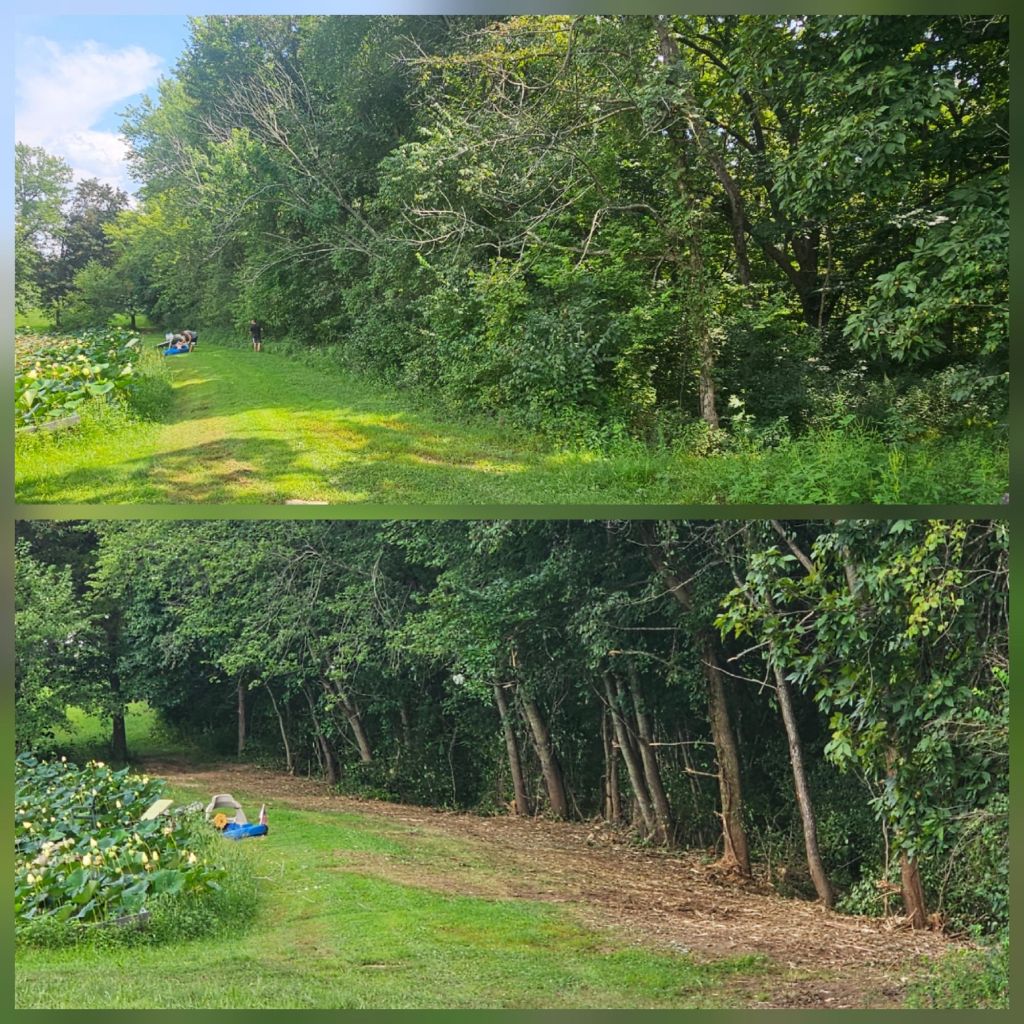
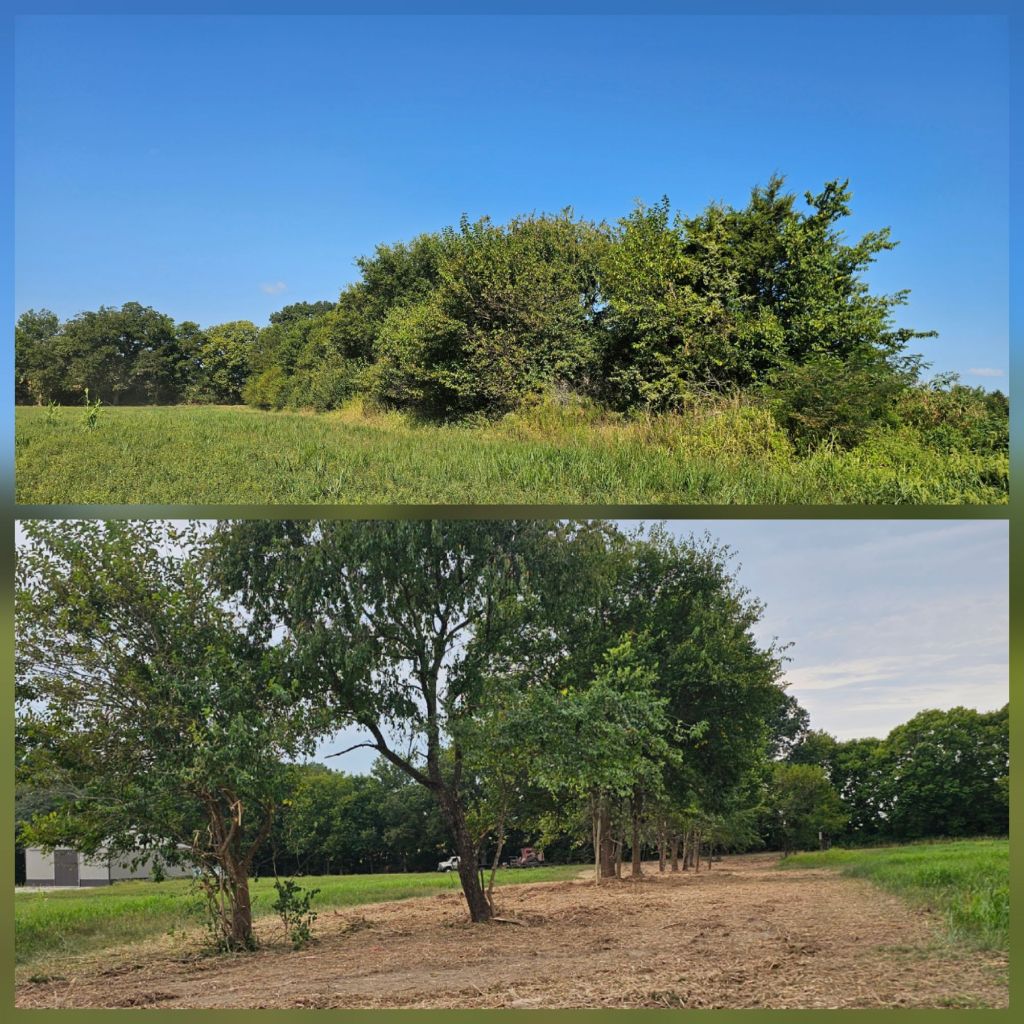
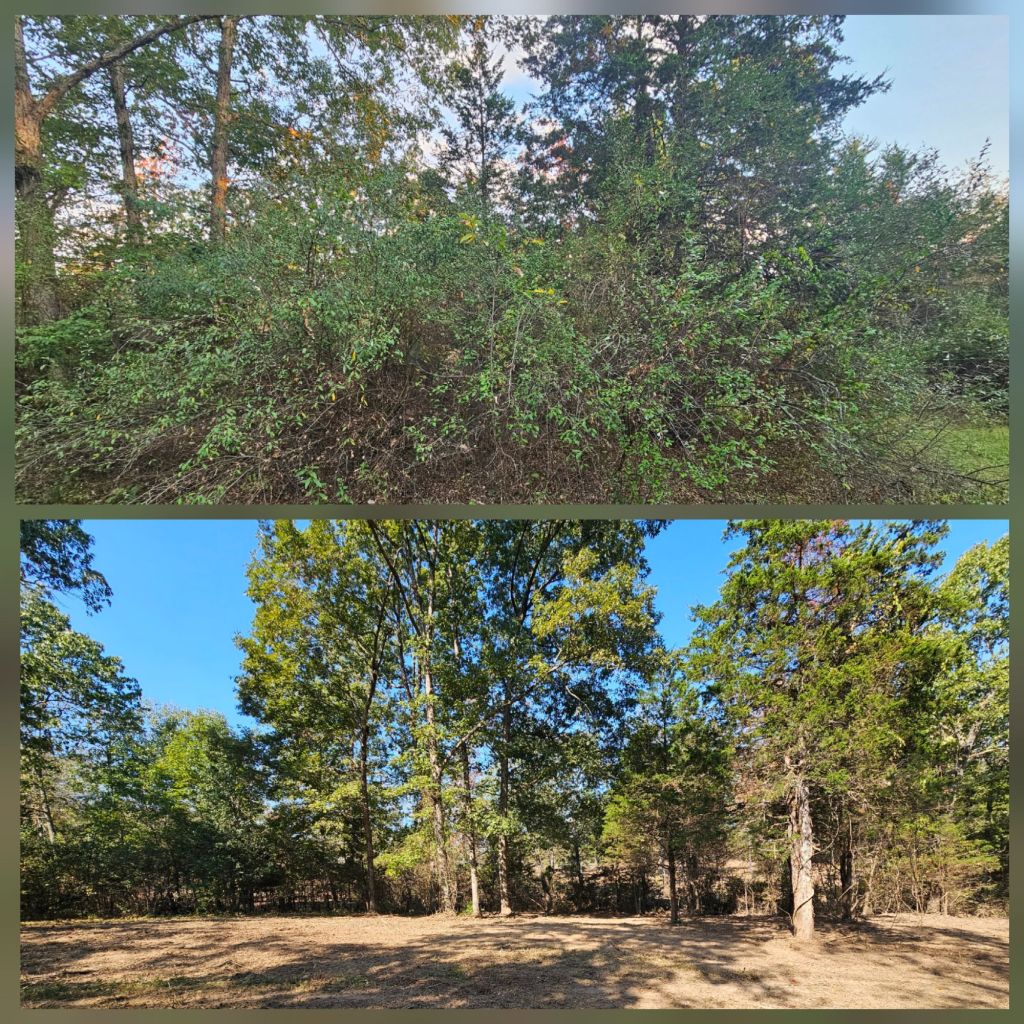
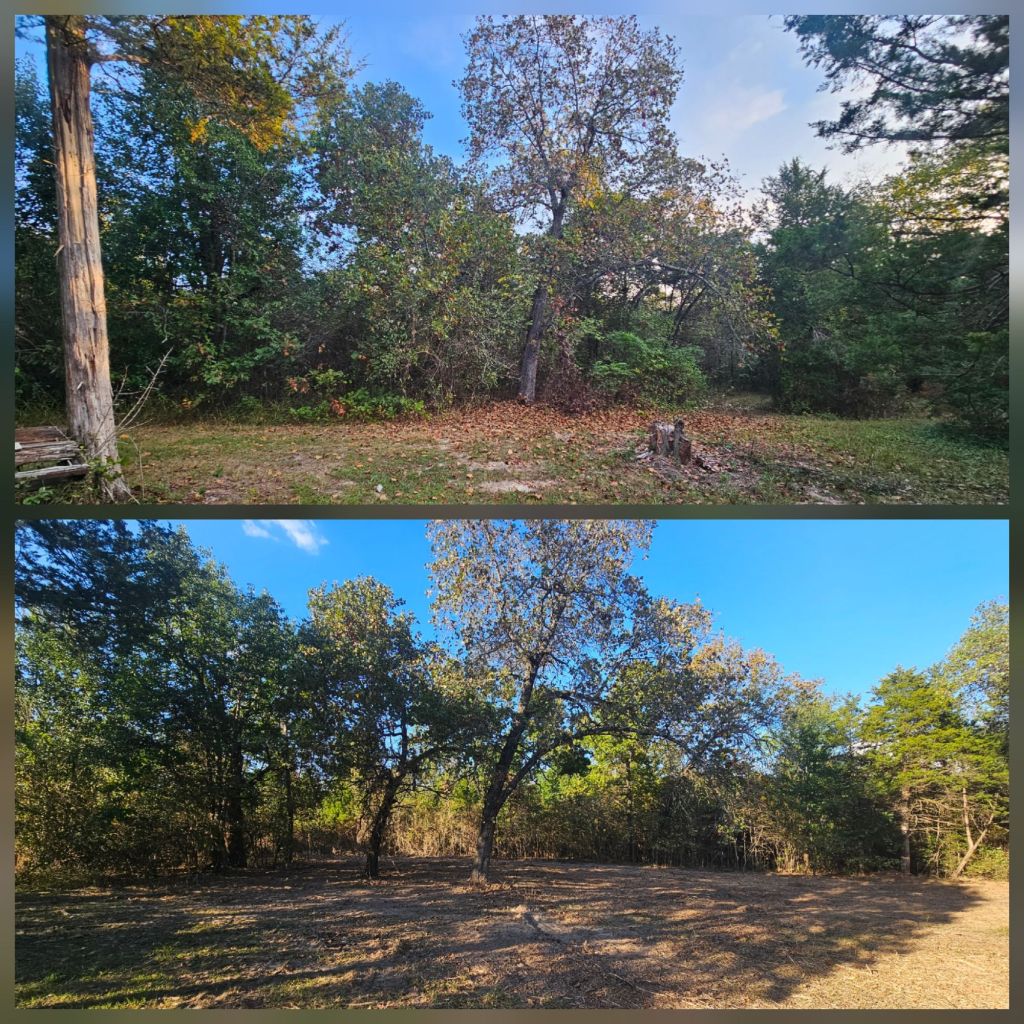
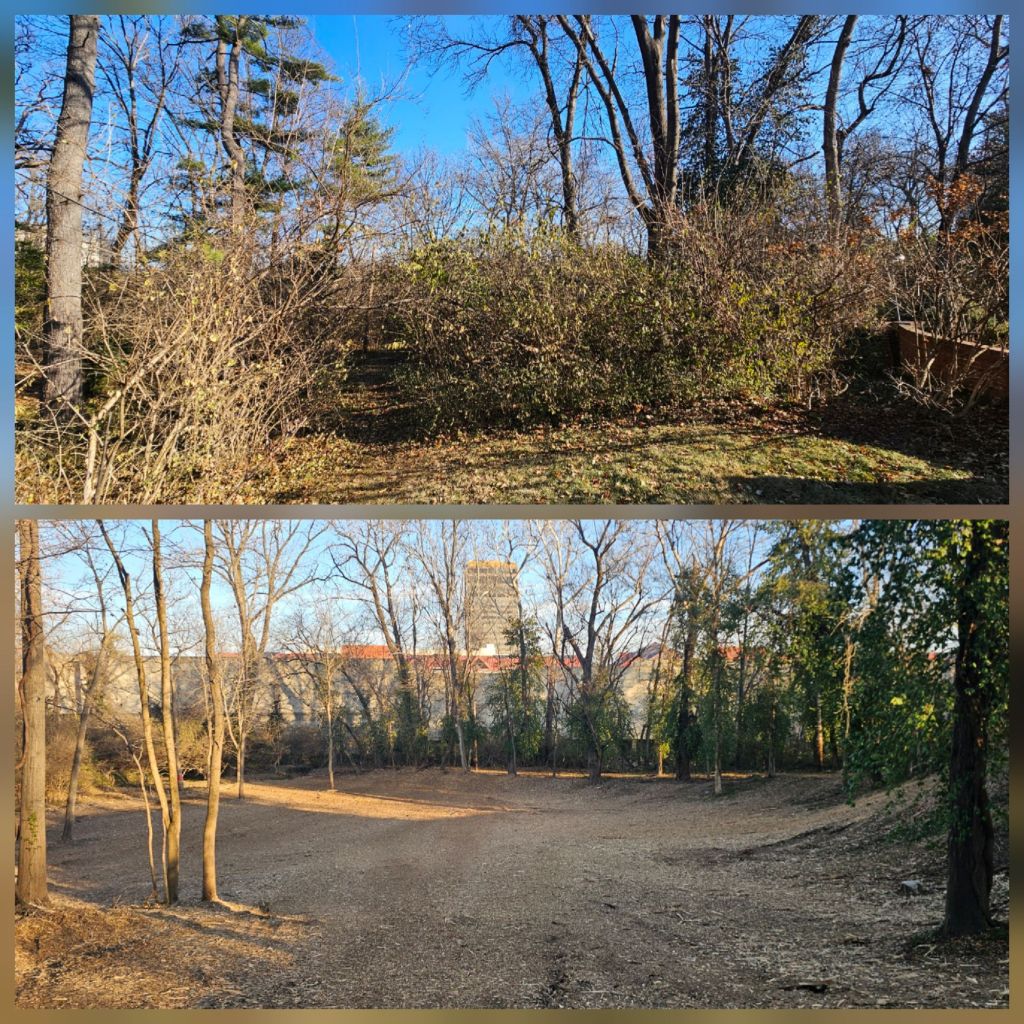
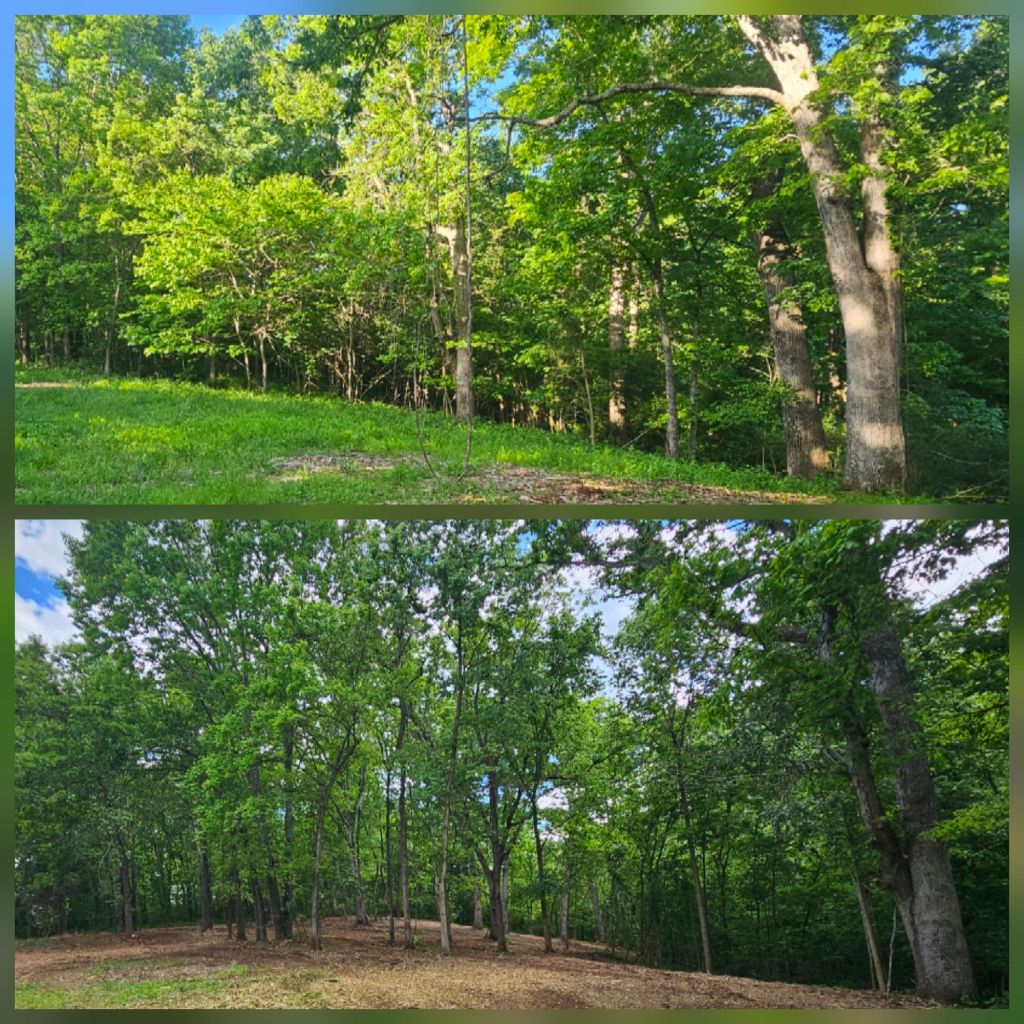
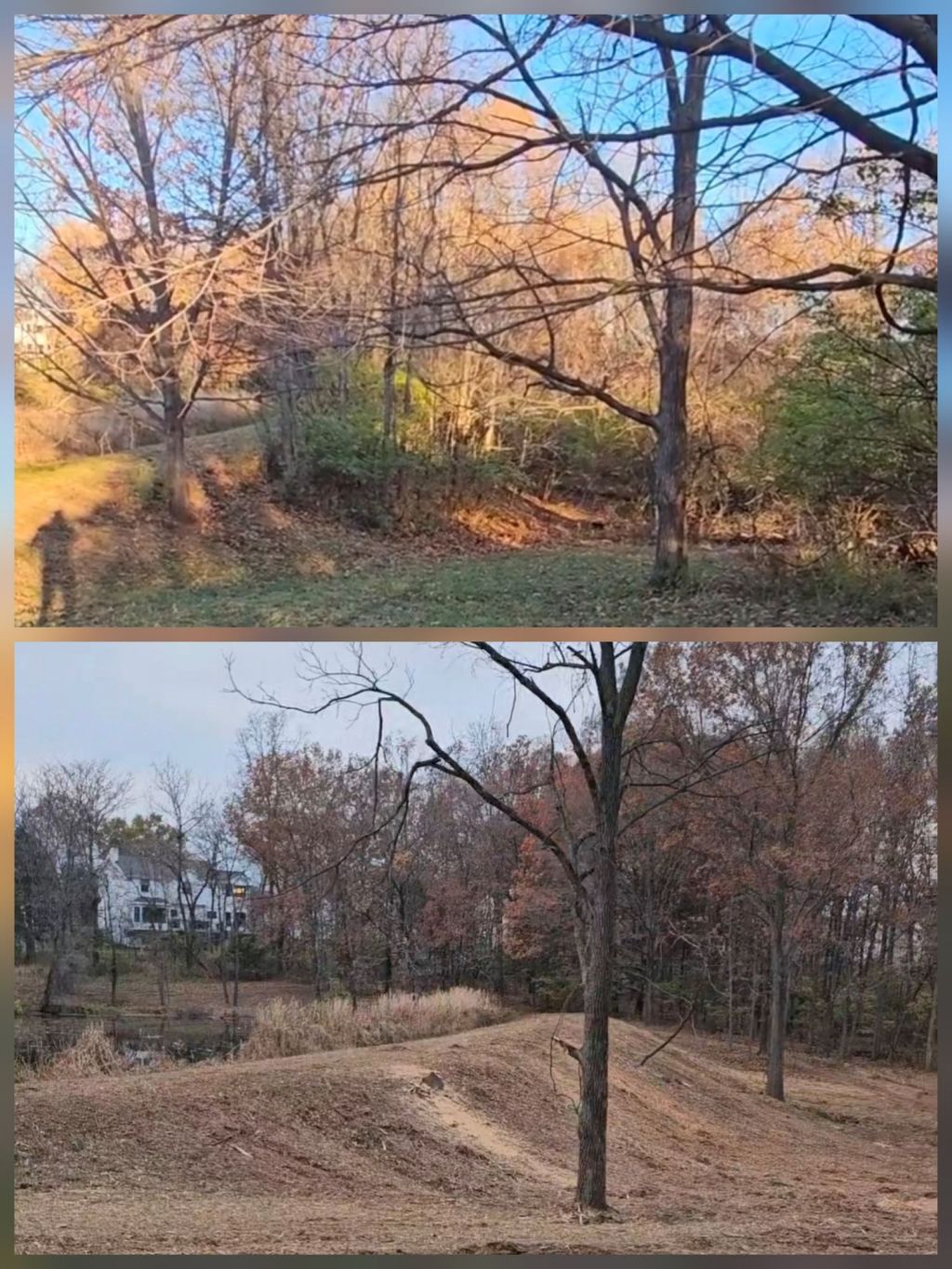
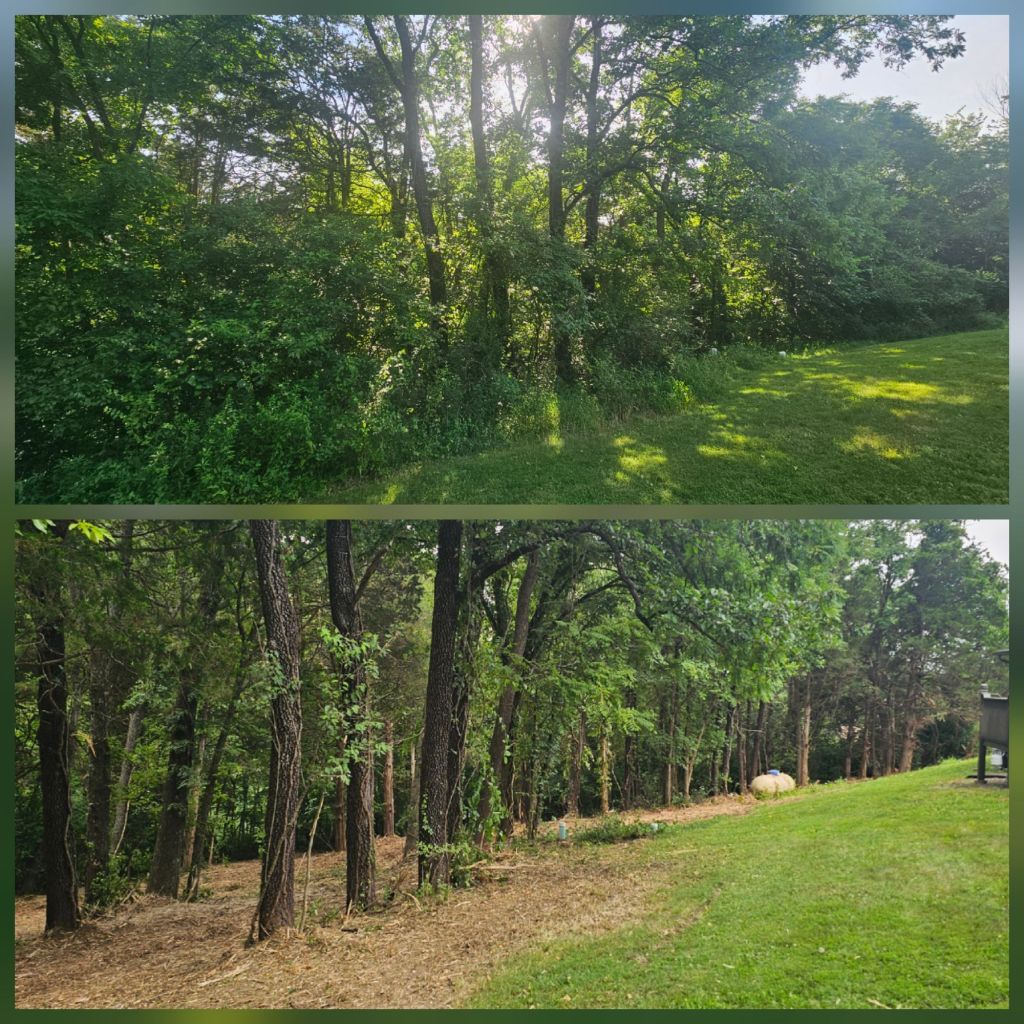
    • Before-and-after work they can show — real photos of real jobs beat any sales pitch.

    Questions worth asking

    • How will you handle the debris — mulch in place, haul off, or burn?
    • What’s your plan for protecting the trees and features I want to keep?
    • How do you avoid tearing up the ground or leaving ruts?
    • What does the estimate include, and what could change it?

    The easy way to skip the vetting

    If you’d rather not cold-call a list of strangers, that’s exactly why we’re here. Tell us about your property and we’ll connect you with an experienced, vetted local pro across eastern Missouri and west-central Illinois — free, with no obligation and no pressure to commit.
  • Grading & Site Prep: What Happens After the Land Is Cleared

    Grading & Site Prep: What Happens After the Land Is Cleared

    Clearing the land is only half the story. Once the trees and brush are gone, the ground usually needs shaping before it’s ready for whatever you’re building. That’s where grading and site prep come in — the step that turns cleared dirt into a solid foundation for your project.

    What grading actually does

    Grading levels and shapes the ground so it drains correctly and supports what goes on top of it. Done right, water flows away from your structures, your pad sits level, and your driveway holds up. Done wrong — or skipped — and you’re looking at standing water, erosion, and settling down the road.

    Common site prep work

    • Leveling and rough grading building pads
    • Cutting in driveways and access roads
    • Basic drainage and erosion control
    • Prepping ground for a barn, shop, or equipment pad

    Why it pays to do it right

    Drainage and grade problems are expensive to fix after you’ve built. Getting the site prepped properly the first time protects everything that follows — it’s the unglamorous step that quietly saves you the most money.

    Cleared your land and not sure what’s next? Tell us about your project and we’ll connect you with an experienced local pro across eastern Missouri and west-central Illinois — free, with no obligation.

  • Does Clearing Land Increase Property Value?

    Does Clearing Land Increase Property Value?

    If you’re thinking about selling — or just want your property to be worth more — clearing overgrown land is one of the better-value improvements you can make. Here’s how it actually moves the needle.

    Buyers pay for usable land

    An acre of impenetrable brush and an acre of clean, walkable ground are not worth the same money — even though it’s the same dirt. Cleared land lets a buyer picture a house, a barn, a pasture, or a place for the kids to play. Overgrown land just looks like a problem they’ll have to pay to fix.

    It shows the land’s potential

    You can’t sell what people can’t see. Clearing reveals the views, the building spots, the creek, the level ground — the features that actually sell a property. It also signals that the land has been cared for, which builds buyer confidence.

    Strong return for the cost

    Compared to most improvements, clearing is relatively affordable and the payoff in marketability is high — especially on rural and acreage listings. Even if you’re not selling, usable land is land you can actually enjoy and put to work now.

    Curious what clearing could do for your property’s value? Tell us about it and we’ll connect you with an experienced local pro across eastern Missouri and west-central Illinois — free, with no obligation.

  • Turning Woods into Pasture: Forestry Mulching for Farms & Ranches

    Turning Woods into Pasture: Forestry Mulching for Farms & Ranches

    Got scrubby woods or brushed-over ground you’d rather run cattle or hay on? Converting overgrown land back to productive pasture is one of the most common projects we connect landowners on — and forestry mulching makes it a lot easier than it used to be.

    Mulching keeps your topsoil where it belongs

    The old way — dozing and burning — strips and disturbs the soil you need for good grass. Forestry mulching grinds the brush and small trees in place and leaves an organic layer on top that breaks down and feeds the ground. That’s a real head start on establishing pasture.

    Selective clearing for silvopasture

    You don’t have to choose between woods and pasture. Many landowners thin the understory and keep the best shade trees — giving livestock shade and a more resilient field. Mulching is ideal for this kind of selective work.

    For heavier ground

    Where there are large trees or stumps to remove, full land clearing opens it up completely. A good pro will recommend the right mix for the result you want — and the acreage you’re working with.

    Looking to put more of your land to work? Tell us about your acreage and we’ll connect you with an experienced local pro across eastern Missouri and west-central Illinois — free, with no obligation.

  • Fence Line Clearing: Reclaim Your Property Lines

    Fence Line Clearing: Reclaim Your Property Lines

    Fence lines have a way of disappearing. A few seasons of brush, vines, and volunteer trees, and suddenly you can’t see your boundary, your fence is buried, and the neighbor’s tree line is creeping onto your ground. Clearing it back is one of the most satisfying improvements you can make to a property.

    Why fence lines get out of hand

    Fence rows are the perfect hideout for growth — hard to mow, easy to ignore, and a magnet for birds dropping seeds. Left alone, brush and saplings can damage the fence itself, hide it from repair, and blur exactly where your property ends.

    What clearing accomplishes

    • Makes your boundary visible again for surveys, re-fencing, or selling
    • Protects existing fence from root and limb damage
    • Stops growth from spreading into your field or pasture
    • Just plain looks sharp — a clean line reads as a well-kept property

    The efficient way to do it

    Fence line and right-of-way clearing with a mulching head cuts a clean, defined edge fast — even on long runs and rough ground a tractor can’t easily reach. It’s a fraction of the time and effort of doing it with a chainsaw and a weekend.

    Ready to see your property lines again? Tell us about your fence rows and we’ll connect you with an experienced local pro across eastern Missouri and west-central Illinois — free, with no obligation.

  • Storm Damage Cleanup: Getting Your Land Back After Wind & Ice

    Storm Damage Cleanup: Getting Your Land Back After Wind & Ice

    Missouri and Illinois weather doesn’t pull punches. Straight-line winds, ice storms, and the occasional tornado can turn a clean property into a mess of downed trees and broken limbs overnight. Here’s how to think about cleanup when it happens to you.

    Safety first — then assess

    Stay clear of anything tangled in power lines and leaning trees that could still come down. Once it’s safe, walk the property and get a sense of the scope: scattered limbs are one thing, a dozen uprooted trees is another.

    Why storm cleanup is its own job

    Downed timber is heavy, unstable, and often under tension — which makes it genuinely dangerous to cut wrong. This is exactly the kind of tree and debris removal where the right equipment and an experienced hand matter. A pro can clear it fast and either haul it off or mulch it on-site.

    Don’t let it sit

    Storm debris is a fire risk, a pest magnet, and a hazard the longer it stays. Clearing it promptly gets your land usable again and prevents secondary damage — and if you’ve got insurance involved, fast documentation and cleanup helps.

    Dealing with storm damage? Tell us what happened and we’ll connect you with an experienced local pro across eastern Missouri and west-central Illinois who prioritizes cleanup work — free, with no obligation.

  • Fighting Back Against Invasive Brush: Bush Honeysuckle, Callery Pear & More

    Fighting Back Against Invasive Brush: Bush Honeysuckle, Callery Pear & More

    If you own land in Missouri or Illinois, you’re probably already fighting invasives whether you know it or not. These aggressive plants crowd out native growth, take over fence lines and woods, and spread fast. The good news: they’re very beatable with the right approach.

    The usual suspects around here

    • Bush honeysuckle — the number-one invasive in the region; it forms dense thickets that shade out everything underneath.
    • Callery (Bradford) pear — spreads from ornamental trees into fields and roadsides, with nasty thorns.
    • Autumn olive and multiflora rose — old pasture invaders that take over fast.
    • Bittersweet and wild grapevine — climbers that pull down good trees.

    Why mulching works so well on invasives

    Forestry mulching grinds dense thickets down in a single pass and leaves a mulch layer that helps suppress regrowth — a huge head start compared to cutting by hand. For heavier stands, brush and tree removal clears it out completely so you can reclaim the ground.

    Knock it back before it seeds

    The best time to hit invasives is before they spread further. Every season you wait, they claim more ground. Clearing the bulk mechanically and staying on top of any regrowth is how landowners win this fight long-term.

    Got a honeysuckle jungle or a thorny pear takeover? Tell us about it and we’ll connect you with an experienced local pro across eastern Missouri and west-central Illinois — free, with no obligation.

  • The Best Time of Year to Clear Land in Missouri

    The Best Time of Year to Clear Land in Missouri

    Is there a best season to clear land in Missouri? The short answer: you can clear year-round here, but each season has its advantages. Knowing them can save you money and get you a better result.

    Winter: often the sweet spot

    Late fall through winter is a favorite for land clearing across eastern Missouri and Illinois. The leaves are down so a pro can actually see what they’re working with, the ground is firm, and there’s no foliage hiding the terrain. Frozen ground also means less rutting and less mess.

    Spring and summer: green, but workable

    Growing season clearing is completely doable — it’s just wetter, and thick green growth can slow things down. The upside is you see exactly what’s thriving, which helps if you’re targeting invasive species before they go to seed. Just watch for soft, saturated ground after heavy rain.

    What matters more than the season

    Honestly, ground conditions matter more than the calendar. A dry week in July can be better than a muddy thaw in February. The real key is working with someone who reads the weather and the soil and times the job right.

    Thinking about timing your project? Tell us about your property and we’ll connect you with an experienced local pro who knows the seasons here — free estimate, no obligation, across eastern Missouri and west-central Illinois.

  • Reclaiming an Overgrown Property: Where to Start

    Reclaiming an Overgrown Property: Where to Start

    Maybe you inherited a place that’s gone wild, or a back acre slowly disappeared under brush while you weren’t looking. Standing at the edge of an overgrown property, it’s hard to know where to even begin. Here’s how to think about it.

    Start with what you want the land to do

    Pasture? A building site? A clean, walkable property you can actually enjoy? The end goal decides the method. You don’t have to clear everything to the dirt — often the best result keeps your good trees and just removes the tangle underneath.

    Tackle the understory first

    Most “overgrown” land is really an understory problem — years of brush, vines, saplings, and invasives choking the space between mature trees. Clearing that out with brush and tree removal or forestry mulching instantly transforms how a property looks and feels, and it’s usually the highest-impact first move.

    Don’t fight it by hand

    People spend whole summers with a chainsaw and a brush cutter on ground a mulching machine clears in a day or two. For anything bigger than a small patch, the right equipment isn’t just faster — it’s safer and leaves a cleaner result.

    If you’re looking at a property and don’t know where to start, that’s exactly what a pro is for. Tell us what you’ve got and we’ll connect you with an experienced local pro across eastern Missouri and west-central Illinois — free, with no obligation.

  • Clearing Land for a New Home or Barn: A Landowner’s Step-by-Step

    Clearing Land for a New Home or Barn: A Landowner’s Step-by-Step

    Putting a house, barn, or shop on a wooded or overgrown parcel? Getting the ground ready is the first real step — and doing it in the right order saves you money and headaches later. Here’s how a land-clearing-to-build project usually flows.

    1. Walk the property and mark the footprint

    Before anything runs, you want to know where the structure, driveway, and utilities are going. A good pro clears only what needs clearing — protecting the trees and features you want to keep and avoiding wasted work.

    2. Clear the trees, brush, and stumps

    This is where full land clearing comes in — removing everything in the build zone, including stumps and root balls, and managing the debris. For the edges and surrounding growth you want knocked back but not removed, forestry mulching is often paired in.

    3. Grade and prep the pad

    Once it’s clear, the ground gets shaped. Grading and site prep levels the building pad, cuts in driveway access, and sets up basic drainage so water runs away from your structure — not toward it. Skipping this step is how people end up with wet basements and washed-out drives.

    The order matters, and the right equipment matters even more. Tell us about your build and we’ll connect you with an experienced local pro across eastern Missouri and west-central Illinois who can take it from raw ground to ready-to-build — free estimate, no obligation.